


Emerging Trends in the Residential Electrical Trade
- cory young
- Dec 5, 2025
- 3 min read

Updated: Dec 5, 2025
The residential electrical trade is undergoing a rapid transformation. What used to be straightforward wiring, outlet installs, and basic maintenance is now evolving into a high-tech, sustainability-driven, and increasingly complex field. For electricians, contractors, homeowners, and industry watchers alike, this moment is both exciting and challenging. Below are some of the biggest trends shaping the trade right now — and what they mean for the future.
1. Smart Homes, Automation & Energy Management
Homes are getting smarter — not just for convenience, but to manage energy more efficiently, optimize load, and increase safety. According to recent industry surveys, there’s a growing demand for smart-home wiring, integrated automation, and energy-management systems in new and renovated homes.
Advancements include:
AI-driven smart electrical panels that provide real-time monitoring and flexible load control.
Systems that integrate with other smart home devices — lighting, thermostats, appliances — to optimize energy consumption.
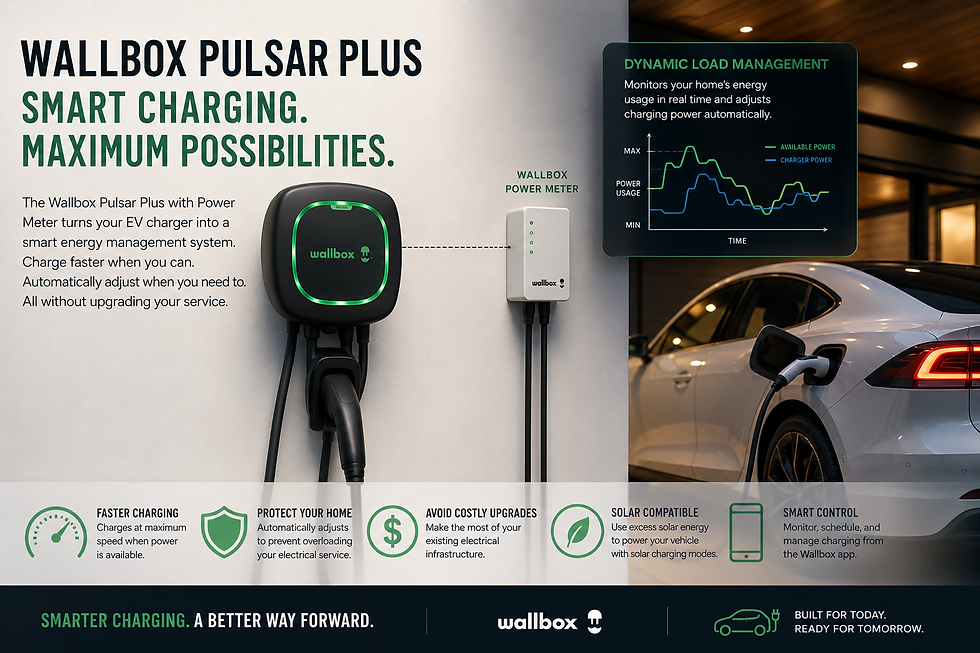
Automated load balancing: for example, ensuring high-draw appliances (like EV chargers or ovens) don’t overload the system by managing when power is distributed.
For electricians, this means wiring work is no longer just about outlets and circuits — it’s about configuring networks, ensuring interoperability, and sometimes even programming or commissioning smart systems.
2. Renewable Energy & Home Energy Storage Integration
With global push toward sustainability — and many homeowners wanting to reduce energy costs — renewable energy (especially solar) and home energy storage are becoming mainstream.
Popular services now include:
Solar panel installation
Battery backup / storage systems for homes
Integration of solar + storage + home energy management systems
In many regions (including Canada), regulatory support and incentives make these services especially attractive.
For the electrical trades, this means: electricians must be familiar with solar-to-grid integration, battery storage wiring and safety protocols, and how to connect renewable sources with traditional wiring systems.
3. Rising Demand for EV Charging Infrastructure at Home
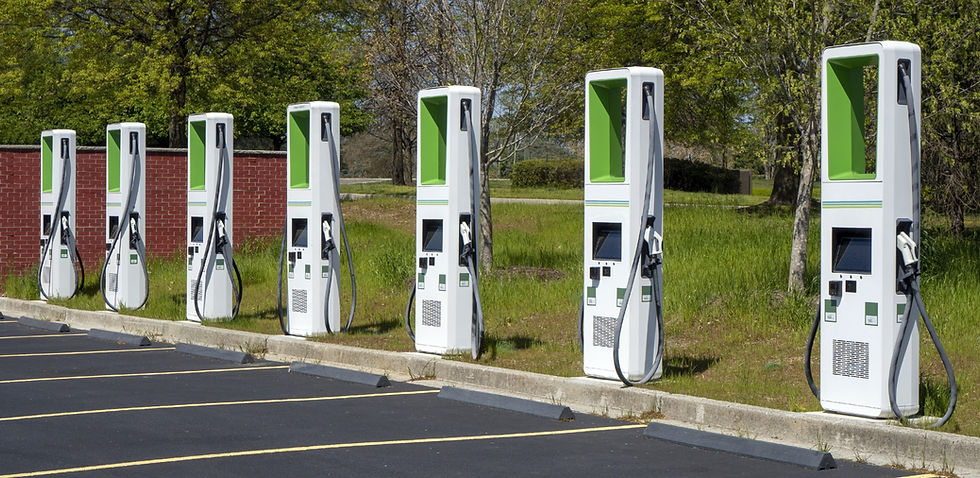
As more homeowners adopt electric vehicles (EVs), the demand for at-home EV charger installation is surging. Contractors and electricians are seeing this as a major growth area.
That shift brings new technical challenges:
Load calculation and panel capacity upgrades are often required before installing a charger.
Electricians need updated skills — from understanding EV charger standards and codes, to safe installation and maintenance.
For many in the trade, offering EV-charging installation alongside standard electrical work is becoming a valuable differentiator.
4. Workforce Changes, Upskilling & Compliance Pressures
The electrical industry is experiencing a structural shift. On one hand, demand for electricians in residential construction and retrofit jobs remains strong in markets like Canada. On the other, emerging technologies and evolving safety/regulatory standards require workers to learn new skills.
Key developments:
Upskilling and continuous education — electricians increasingly need competence in smart systems, renewable energy installation, energy-management solutions, and EV infrastructure.
Stricter compliance and safety standards — as electrical systems become more complex (with solar, batteries, smart panels, heavy-load EV chargers), adhering to updated codes and regulations is more important than ever.
An opportunity for specialization — contractors who embrace these new technologies can carve out niche services (e.g., smart-home electricians, solar/electrification specialists, EV-ready wiring experts) and stay competitive.
5. The Blending of Traditional Wiring with Digital & Data-Driven Infrastructure
The electrical trade is no longer just about running wires and hooking up circuits — it’s evolving into a hybrid of construction, data, and digital systems. According to forecasts for 2026 and beyond, modern electrical work increasingly involves integration with data-driven energy systems and digital controls.
What this means practically:
Electricians may find themselves working alongside IT professionals, smart-home integrators, and renewable-energy specialists.
More homes may adopt “smart grid–ready” wiring during construction or renovation — future-proofing homes for shifting energy demands.
The ability to diagnose, program, and manage energy usage — and provide advisory services to homeowners — will become a valued part of the trade.
What This Means for Homeowners, Contractors & the Trade
Homeowners: Expect more options — from smart, energy-efficient homes to solar + storage + EV charging — when building or upgrading.
Electrical contractors and electricians: To stay relevant, expanding your skill set beyond traditional wiring is becoming essential. Bright opportunities exist for those adapting early.
Residential building industry: New homes are likely to come “pre-wired” for smart systems, EVs, and renewable energy — making forward-looking design a bigger advantage.
The bottom line: the residential electrical trade is shifting from “just wires and breakers” to a future where electricity, data, efficiency, and sustainability all intersect. Those who adapt stand to thrive — those who don’t may find themselves left behind.

Comments